
New Zealand’s post-disaster recovery period has put pressure on households, businesses, and the rental market at the same time. Flood impacts, infrastructure disruption, and rebuilding demand all feed into cost pressure and policy response.
One visible trend has been rental repricing in affected and high-demand areas. In some locations, displaced households increased short-term rental demand, while damaged homes moved into lengthy insurance and repair pipelines.
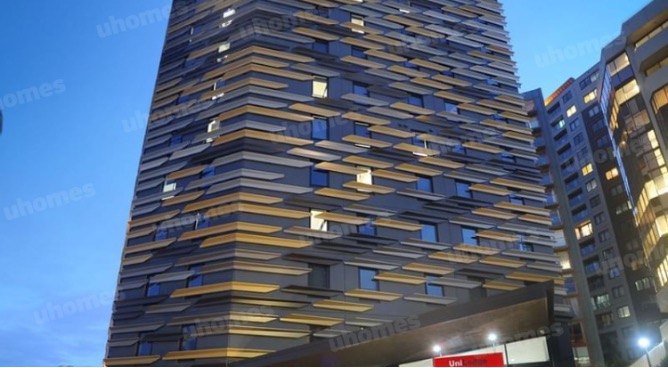
Why this matters for landlords
- Insurance complexity has increased after major weather events
- Repair timelines and claim processing can be prolonged
- Vacancy and reletting plans require stronger contingency planning
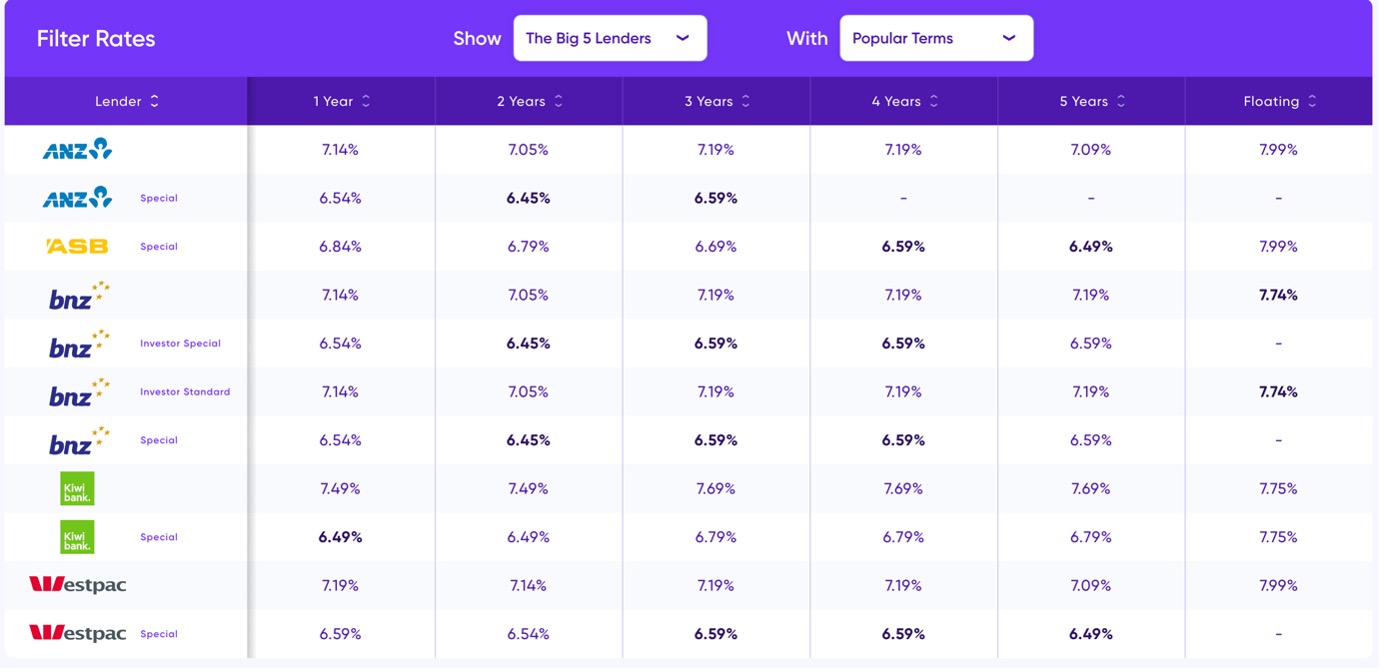
Macro environment and borrowing costs
Rebuilding costs, replacement spending, and broader inflation pressures contributed to tighter monetary policy. As OCR rose, borrowing costs increased, placing additional pressure on leveraged property owners.
Practical takeaway: review your insurance structure, cashflow buffer, and debt strategy early. In a rebuilding cycle, the owners who plan ahead are usually the ones who protect both occupancy stability and long-term returns.
